Reading time:
Mexico Customs: which are they?
What is a customs office? A customs office is a checkpoint strategically located within a territory (internal and external border crossings). It is the government agency responsible for controlling the transport of goods, monitoring the movement of people leaving and entering the country, and collecting taxes and fees. It operates as a public office focused on international trade.

Author
Denisse Temkin | Head of Innovation
What is a customs office?
A customs office is a control point strategically located within a territory (internal and external border crossings). It is the state agency responsible for controlling the transport of goods, analyzing the movement of people leaving and entering the country, and collecting taxes and fees. It functions as a public office focused on international trade.
In Mexico, they are a fundamental tool for import and export business, since they ensure transparency in the transport of goods: they record the movement of goods and are responsible for making sure that transported products comply with all legal requirements.
Customs offices are public offices where you find what are called customs agents, who are the people in charge of registering and collecting the corresponding duties and taxes for each shipment that is intended to cross. They are usually located at borders, ports, railway stations, and airports, since these are points with a lot of movement of people and goods.
What are their main functions?
As mentioned above, customs offices can fulfill different functions. Some of these are:
Collect import and export taxes and duties.
Verify the permits for goods entering the country, and ensure they do not pose a risk to public health or the environment - such as toxic substances, animals, plants, or certain prohibited foods.
Regulate foreign trade traffic, ensure entry and exit requirements are met, and that all documentation is up to date.
Check that there is no fraud or tax evasion, that is, verify that the documentation submitted is legal and correct.
In short: safeguard the security of a territory and prevent illegal acts and irregularities in transported goods.
What types of customs offices exist?
There are two types of customs classifications - according to the mode of transport and according to the function they must fulfill. The two categories are detailed below.
Customs offices by mode of transport:
Land customs offices - these are the ones that control the movement of pedestrians, trucks, railroads, buses, and vehicles, both commercial and private. They are located on the border between two neighboring territories, at road and rail access points. They can also be inland customs offices, meaning that they exist within the same country, but as a control point when moving from one state to another.
Maritime customs offices - they monitor the entry and exit of vessels. They are located at ports and regulate the movement of both goods and people. They are the customs office with the highest traffic of goods, handling a wide variety of items, with foreign trade as their main focus. In any case, they also regulate the transit of tourist vessels.
Air customs offices - they are located at airports and mainly regulate the movement of passengers and goods that arrive in and leave a country by plane, helicopter, or other air transport. They are considered inland customs offices since they are located within the territory at non-border points, such as tourist cities or capitals.
Customs offices by function:
Entry and exit customs offices - entry customs offices are responsible for receiving goods arriving from abroad, meaning they control imports into the country. Exit customs offices are the ones that clear goods of national production that are to be exported out of the territory.
Main and secondary customs offices - the main ones are responsible for monitoring operations, imposing regulations, and ensuring that the corresponding requirements for export, import, and the transit of people are met. Secondary customs offices, on the other hand, are auxiliary and support the main office in other tasks, such as ensuring the uninterrupted flow of transit.
What are the customs offices in Mexico?
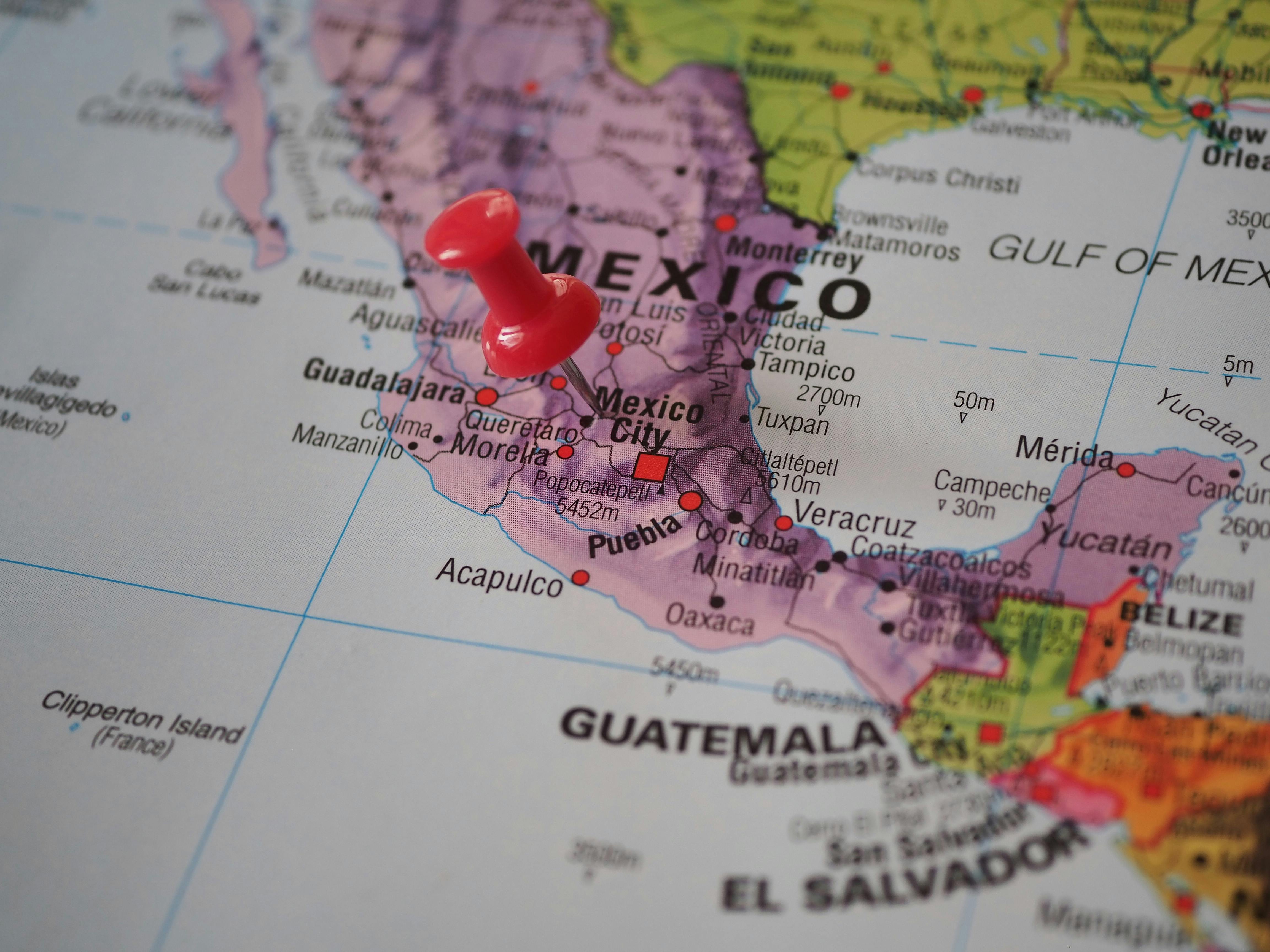
In Mexico there are 50 customs offices, which are classified below as maritime, inland, Mexico's northern border, and southern border.
Maritime customs offices in Mexico:
Ensenada, Baja California.
La Paz, Baja California.
Ciudad del Carmen, Campeche.
Manzanillo, Colima.
Acapulco, Guerrero.
Lázaro Cárdenas, Michoacán.
Salina Cruz, Oaxaca.
Cancún, Quintana Roo.
Mazatlán, Sinaloa.
Guaymas, Sonora.
Dos Bocas, Tabasco.
Altamira, Tamaulipas.
Tampico, Tamaulipas.
Coatzacoalcos, Veracruz.
Tuxpan, Veracruz.
Veracruz, Veracruz.
Progreso, Yucatán.
Inland customs offices in Mexico:
Aguascalientes, Aguascalientes.
Mexico City International Airport (AICM), CDMX.
Mexico City, CDMX.
Chihuahua, Chihuahua.
Torreón, Coahuila.
Felipe Ángeles International Airport, State of Mexico
Toluca, State of Mexico.
Guanajuato, Guanajuato.
Guadalajara, Jalisco.
Monterrey, Nuevo León.
Puebla, Puebla.
Querétaro, Querétaro.
Northern border customs offices in Mexico:
Mexicali, Baja California.
Tecate, Baja California.
Tijuana, Baja California
Ciudad Camargo, Chihuahua
Ciudad Juárez, Chihuahua
Ojinaga, Chihuahua.
Puerto Palomas, Chihuahua.
Ciudad Acuña, Coahuila.
Piedras Negras, Coahuila.
Colombia, Nuevo León.
Agua Prieta, Sonora.
Naco, Sonora.
Nogales, Sonora.
San Luis Río Colorado, Sonora.
Sonoyta, Sonora.
Ciudad Miguel Alemán, Tamaulipas.
Ciudad Reynosa, Tamaulipas.
Matamoros, Tamaulipas.
Nuevo Laredo, Tamaulipas.
Southern border customs offices in Mexico:
Ciudad Hidalgo, Chiapas
Subteniente López, Quintana Roo.
We will focus only on the 10 customs offices mentioned, as they are the best known for foreign trade.
Nuevo Laredo - it is located on the border between Tamaulipas and Laredo, in the state of Texas. It accounts for more than 20% of operations, which is not surprising given the commercial activity between Mexico and the United States. It is located at the International Trade Bridge, so it is classified as the most important customs office for Mexico and possibly Latin America.
Ciudad Juárez - it accounts for 10% of foreign trade operations. It is known for being located near El Paso, Texas, and for its industrial activity, as it is a strategic point for the import of materials and components (such as car parts, electrical items, metal-based products, and even machinery and cargo vehicles) that are later assembled and exported to the United States.
Tijuana - it handles 10% of the operations and is located on the border with San Diego. It is a very dynamic and efficient customs office, and at the same time modern, since it is the entry point to the California market.
Veracruz - this one accounts for 9% of the total value of operations, since large quantities of grains, containers, and national production vehicles move through it, in addition to being the most important exit gateway to the East Coast of the United States and Europe. It is located in the country's third-largest port.
Manzanillo - it is in the country's largest port and accounts for almost 11% of customs revenue. It is the main entry gateway for trade with Asian countries, especially China, Japan, and South Korea.
Ciudad Reynosa - it is located in the north, on the border with the United States. More than 6% of foreign trade operations are carried out through it.
Colombia - it is located in another border city with Laredo, Texas, and is considered the biggest competitor to the Nuevo Laredo customs office. It accounts for 4% of the total value of operations. Although it already has the Colombia Solidarity International Bridge, the customs office plans to install a second bridge, another railway bridge, and, in addition, an airport for foreign trade.
Piedras Negras - it is one of the most important nationwide because of the number of operations carried out by rail. It mainly exports motor vehicles. It represents 4% of the total value of foreign trade operations.
Mexico City International Airport (AICM) - 5% of the total value of foreign trade operations is collected there. It stands out as the main inland customs office in Mexico and the most important entry point for international travelers.
Nogales - it is located on the border with Arizona, United States. It accounts for 3% of the total value of exports and imports.
Who is in charge of managing customs offices?
The General Customs Administration is an agency that is part of the Tax Administration Service (SAT). In turn, the General Customs Administration is regulated by the Ministry of Finance and Public Credit.
Article written by
Denisse Temkin | Head of Innovation

Operate between Latin America and the U.S. from a single place.
Global Account · FX · Payments · Credit